
Grassroots Economics & Mnyumbuni Center
A Bioregional Hub for Stewardship, Learning, and Community Coordination
Mnyumbuni is a community center and demonstration farm hosted and supported by Grassroots Economics Foundation in the Takaungu Creek watershed, Kilifi County, Kenya.
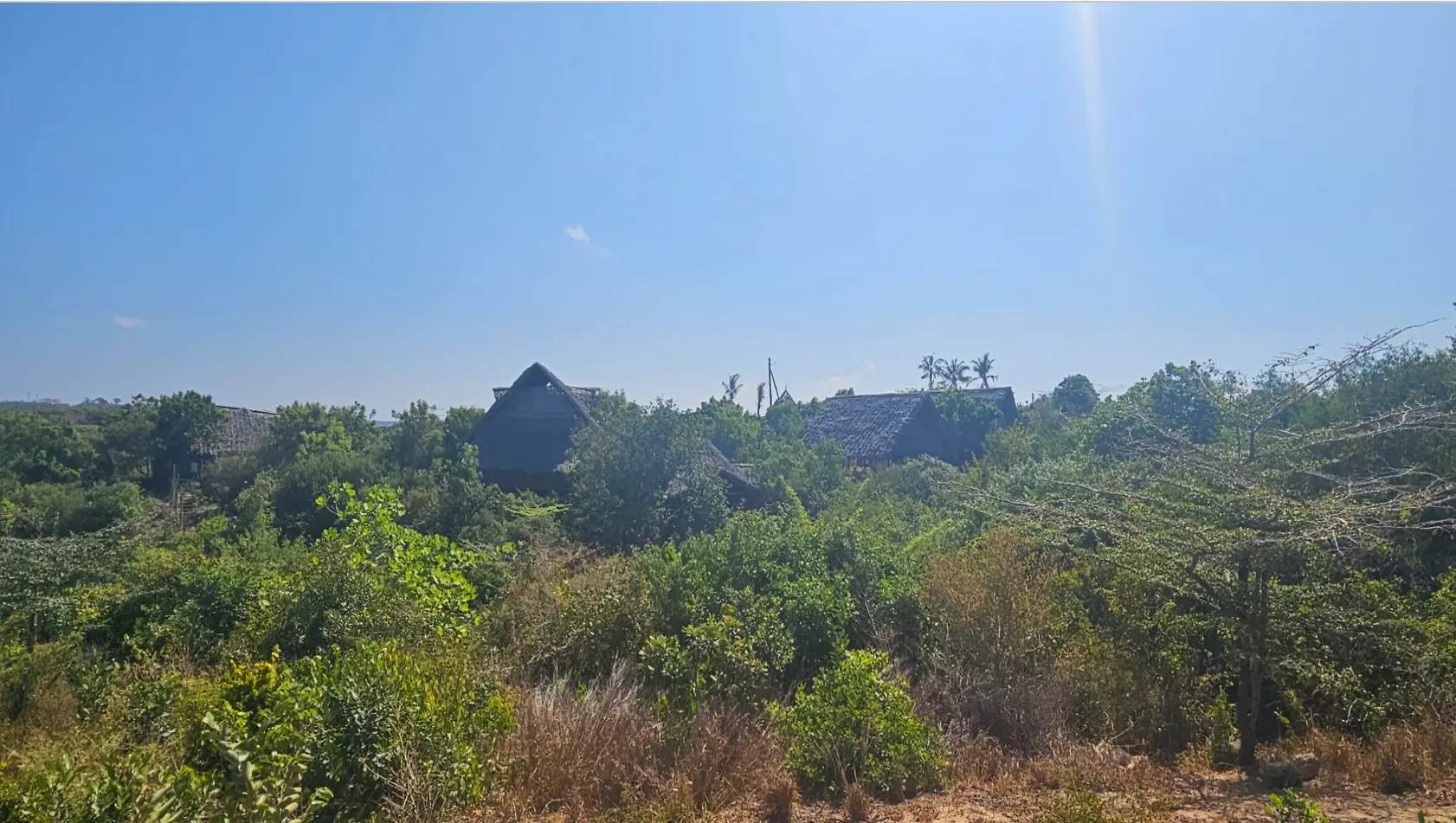
Living Laboratory
Regeneration grows from care, learning, and coordination.
"Mnyumbuni is a living laboratory for regeneration."
It brings together local stewards, neighbors, farmers, facilitators, students, volunteers, and learners to care for land, water, food systems, and community resources as one connected system.
We work ridge to reef, linking what happens on farms, paths, forests, homes, and community spaces to what shows up downstream in the creek, mangroves, and coastal ecosystems.
Mnyumbuni is part of a wider network of local, regional, and national communities working toward regenerative livelihoods, commons stewardship, and community-led economic systems. What unites us is a commitment to stewardship: long-term care for socio-ecological systems, shared responsibility for local resources, and accountability to this place and to each other.
Land and facilities
Training and facilitation
Field tools and data systems
Ecosystem standards and certificates
Resource coordination tools
Socio-Ecology
A Grounded Philosophy: Socio-Ecology and the Social Soil
At Mnyumbuni, socio-ecology means that land, water, livelihoods, culture, and governance are inseparable.
Lasting ecological repair depends on the human systems that maintain it: shared labor, fair rules, local decision-making, and pathways to repair when things break. Restoration is not only about planting trees, slowing water, or rebuilding soil. It is also about the agreements, relationships, routines, and cultural practices that keep care alive across seasons.
We track soil, water, biodiversity, and land recovery alongside the community mechanisms that make stewardship and people care possible. This includes shared agreements, maintenance routines, knowledge-sharing practices, conflict repair, and local systems of accountability.
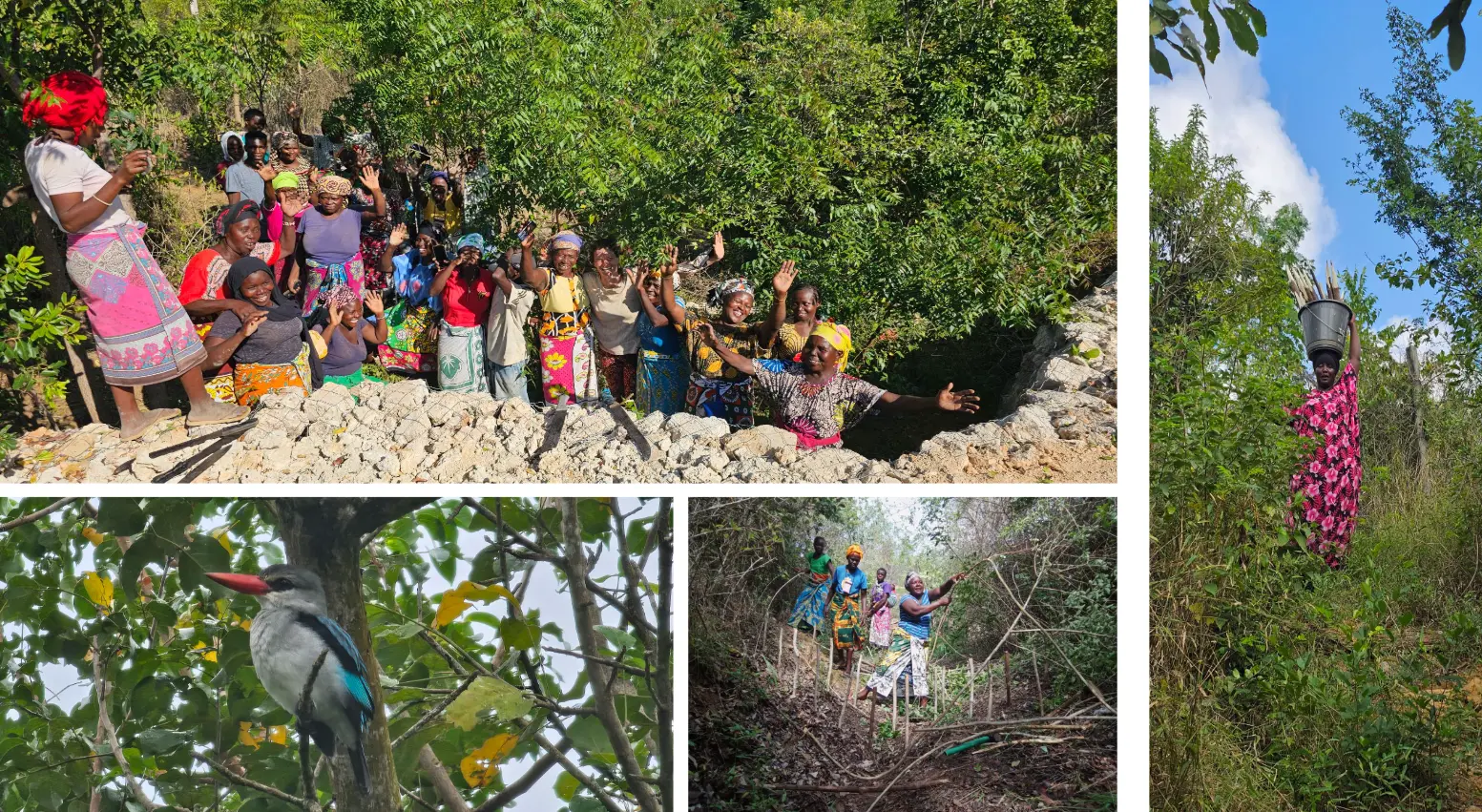
Traditional rotational labor systems such as Mwerya/Dhome help communities turn decisions into action. Through shared work cycles and community assemblies, people plan together, work together, build trust, share skills, and maintain the routines that make restoration last.
Learning by Doing
Each activity becomes part of a learning cycle.
Our approach is seasonal and practical. What works is documented and strengthened. What does not work is reviewed and adapted. In this way, restoration grows from lived experience, community observation, and local decision-making.
Culture as Stewardship Infrastructure
Culture is part of the infrastructure of care.
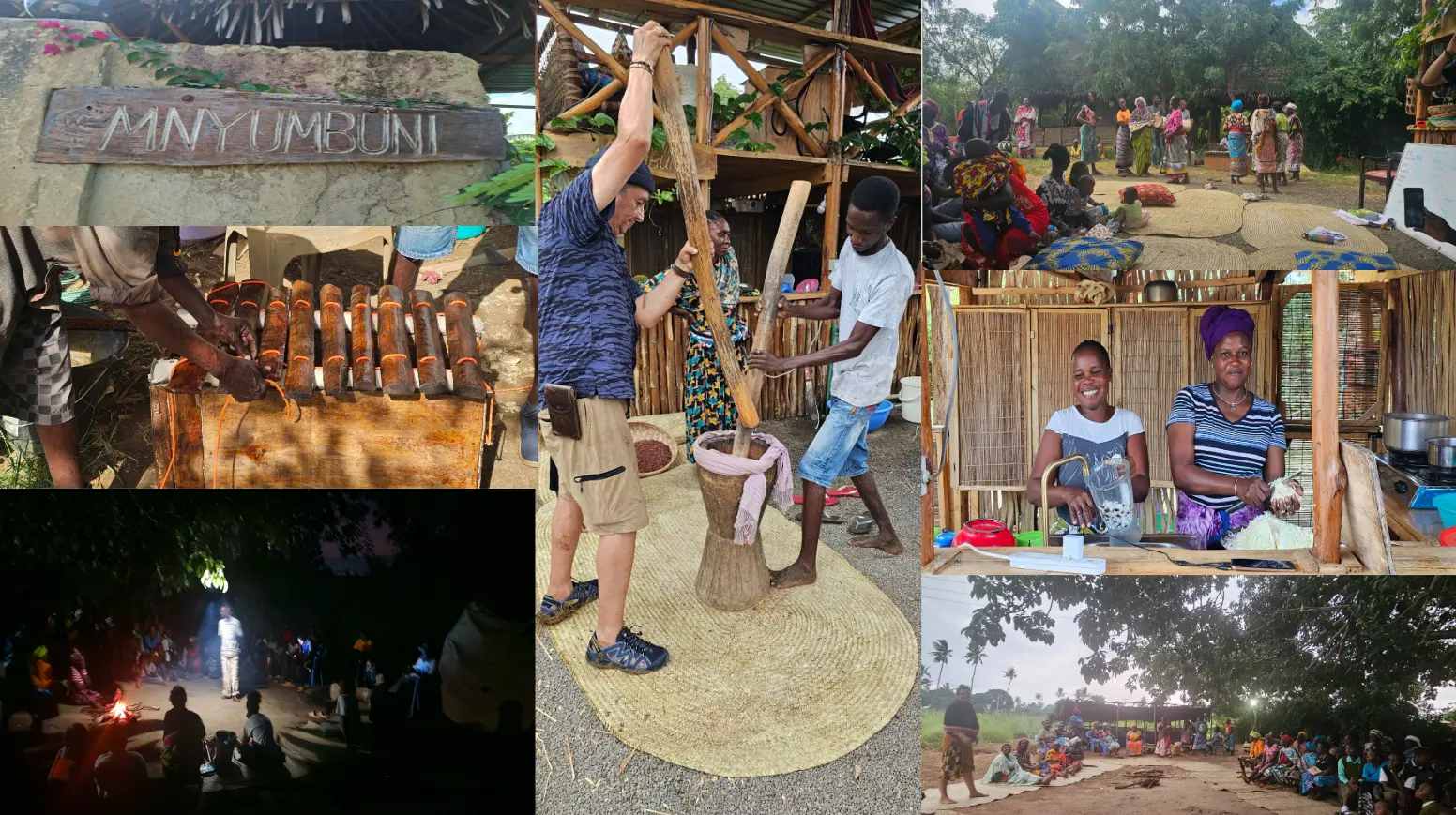
Traditions, village life, stories, songs, gatherings, ceremonies, and everyday norms help people coordinate across time. They carry memory, responsibility, and belonging.
At Mnyumbuni, these cultural practices are recognized as living systems that support ecological repair, community trust, and long-term stewardship.
Projects, Research & Education
A working restoration site and a learning landscape.
Each activity is a place to practice, observe, measure, share back, and improve across seasons.
Through hands-on learning paths, students, volunteers, researchers, farmers, and community members practice regeneration, monitoring, governance, and community life while contributing to real stewardship work in the Takaungu Creek watershed.
01
Ridge-to-Reef Watershed Stewardship
We coordinate care from uplands to creek edge so water soaks in, soils stay in place, and mangroves face less sediment stress. This work links ecology with daily livelihoods, shared agreements, and local responsibility.
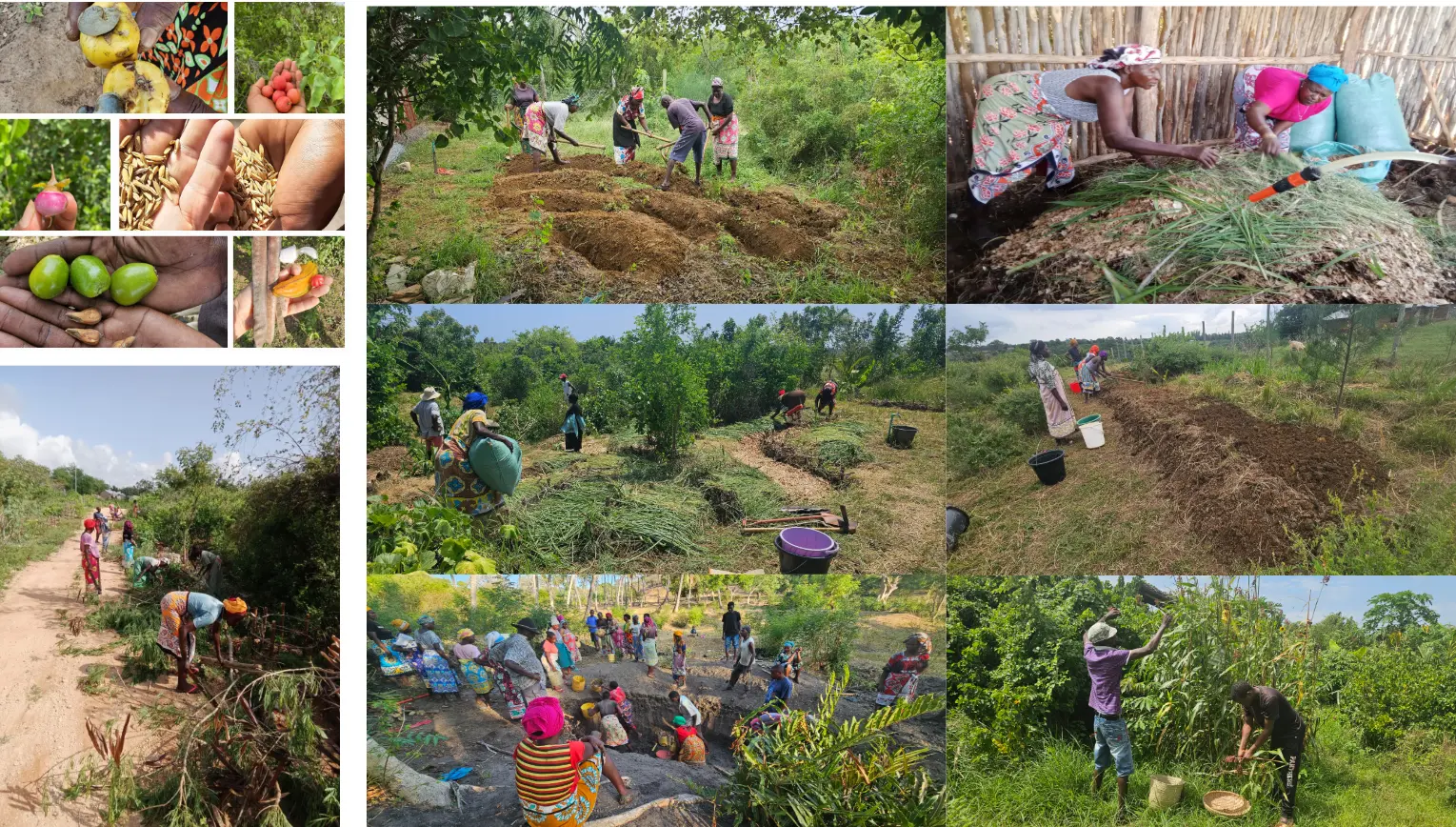
Our watershed work includes water harvesting, erosion control, participatory mapping, and routine maintenance of restoration systems. We build and maintain swales, terraces, infiltration structures, flow-path protections, and vegetative buffers that slow water, protect soils, and make dry-season life more reliable.
As part of this work, we map contours, flow paths, soils, vegetation patterns, and restoration priorities. Simple data standards such as landscape unit maps, GPS photo points, plots, and transects help communities decide where to plant, protect, slow water, and restore.
These outputs feed a community atlas or dashboard for planning, learning, coordination, and accountability from ridge to reef.
02
Soil, Food Systems, and Land Regeneration
We rebuild soil through cover, mulch, compost systems, planting design, and biomass cycling. Simple monitoring and community review help keep learning grounded and improvements durable.
Mnyumbuni develops agroecology plots, syntropic systems, and food forests that improve soil cover, microclimates, nutrition, and local resilience. These systems also strengthen cooperation through shared labor, seasonal planning, and practical knowledge exchange.
The farm functions as a demonstration landscape where methods are tested in real conditions, measured, improved, and made replicable across the watershed.
03
Native Seed, Trees, Forests, and Biodiversity
We support community-run nurseries growing locally adapted species for reforestation, agroforestry, and creek-edge buffering. This builds a local supply chain for long-term restoration.
Our biodiversity work supports habitat recovery, pollination, and beekeeping. These practices offer low-impact livelihoods and practical signs of ecosystem health through seasonal observation.
We also strengthen community protection agreements and monitoring to safeguard remaining indigenous forest patches and key species. Wildlife is treated as a living signal of watershed health, reminding us that restoration is not only about land productivity but about the vitality of the whole ecosystem.
04
Socio-Ecology and Commons Stewardship
Mnyumbuni supports community-checked field research that tracks ecological change together with the commons practices that sustain it.
We document and test how agreements, roles, maintenance routines, rotational labor, conflict repair, and knowledge transfer shape restoration outcomes. This includes traditional shared work systems such as Mwerya and Dhome, where community assemblies and shared labor cycles turn decisions into action.
This work supports locally led decision-making, clear rules, and day-to-day management of shared land, resources, and infrastructure so stewardship remains durable over time.
05
Cultural Ecology and the Story of the Watershed
We document stories, songs, rituals, and everyday practices that carry stewardship knowledge across generations. These are paired with ecological indicators so culture and ecology stay connected.
This includes oral histories and seasonal narratives of how land, water, labor, livelihoods, and agreements have changed over time. Cultural expressions are treated as living infrastructure, helping the Story of the Watershed become a practical guide for stewardship now and in the future.
06
Digital Coordination Tools and Stewardship Finance
We support practical tools for communities to organize care and production with or without national currency.
At Mnyumbuni, the CLC App supports digital coordination through accounts, wallets, vouchers, Offerings, Commitment Pools, transfers, and related records. These tools can complement simple community logs, receipts, and reporting.
This work is grounded in the Commitment Pooling Protocol, a practical framework for coordinating promises, resources, and shared responsibilities. Each Pool publishes its terms, roles, limits, and supported vouchers while keeping local responsibilities visible.
Direct swaps are available through compatible Pools. Wider routing, lending, and financing arrangements depend on the deployment and the agreements made by the participants and Pool operators.
Ecosystem Standards and Certificates
Recognizing the care work that restores land, water, food systems, and community resilience.
Mnyumbuni helps communities recognize, document, and share regenerative practices through ecosystem standards and certificates. Certificates help set highly curated regenerative practices, make learning visible, support local accountability, and recognize care work across the watershed.
Water Stewardship
For water harvesting, infiltration, erosion control, flow-path care, and watershed protection.
Soil Health
For composting, mulching, biomass cycling, ground cover, soil structure, and regenerative land care.
Food and Agroecology
For syntropic plots, food forests, agroforestry, nutrition, and community food systems.
Forest Restoration
For native seed nurseries, tree propagation, indigenous forest protection, and creek-edge buffering.
Biodiversity and Pollinators
For habitat recovery, pollinator support, beekeeping, wildlife observation, and ecological monitoring.
Commons Stewardship
For shared labor, local governance, maintenance routines, conflict repair, and community accountability.
Mnyumbuni is a farm, a classroom, a research site, a community gathering space, and a coordination hub. It helps communities test what works, care for what is shared, and build systems that can continue across seasons and generations.
"Healthy ecosystems need healthy community systems, and healthy communities need living land, clean water, shared memory, and fair ways to coordinate care."
Visit Mnyumbuni
Come learn with the people stewarding land, water, food systems, and community coordination in the Takaungu Creek watershed.
- 🚗 Take the exit opposite Mnarani Secondary off the highway, as if going to Beneath the Baobabs (BtB).
- ⬆️ Continue straight on the dirt road, passing the BtB turn on your left.
- The road winds ➡️ right. Then turn ⬅️ left at the large baobab beside a mangwe/palm wine bar.
- Go up the slight incline. The road bends ➡️ right, then ⬅️ left at a hedge. Honk for oncoming traffic.
- At the T-intersection, you will see a shop in front of you. Turn ➡️ right there.
- Continue ⬆️ straight, down a hill and then up a hill, until you see barbed wire blocking the road.
- Turn ⬅️ left before the barbed wire and follow the road as it winds to the right.
- You will soon see our two-story makuti roofs and the MNYUMBUNI sign at the gate. Just honk and we will come open it.
- Please give us a moment to make sure the 🐕 dogs stay seated while the gate is open—they like to chase the 🐄 cows.