
Games
Playable learning resources for ecology, exchange, community currencies, and resource coordination.
Educational Games
Browse games designed for classrooms, workshops, and community learning spaces.
Recipes
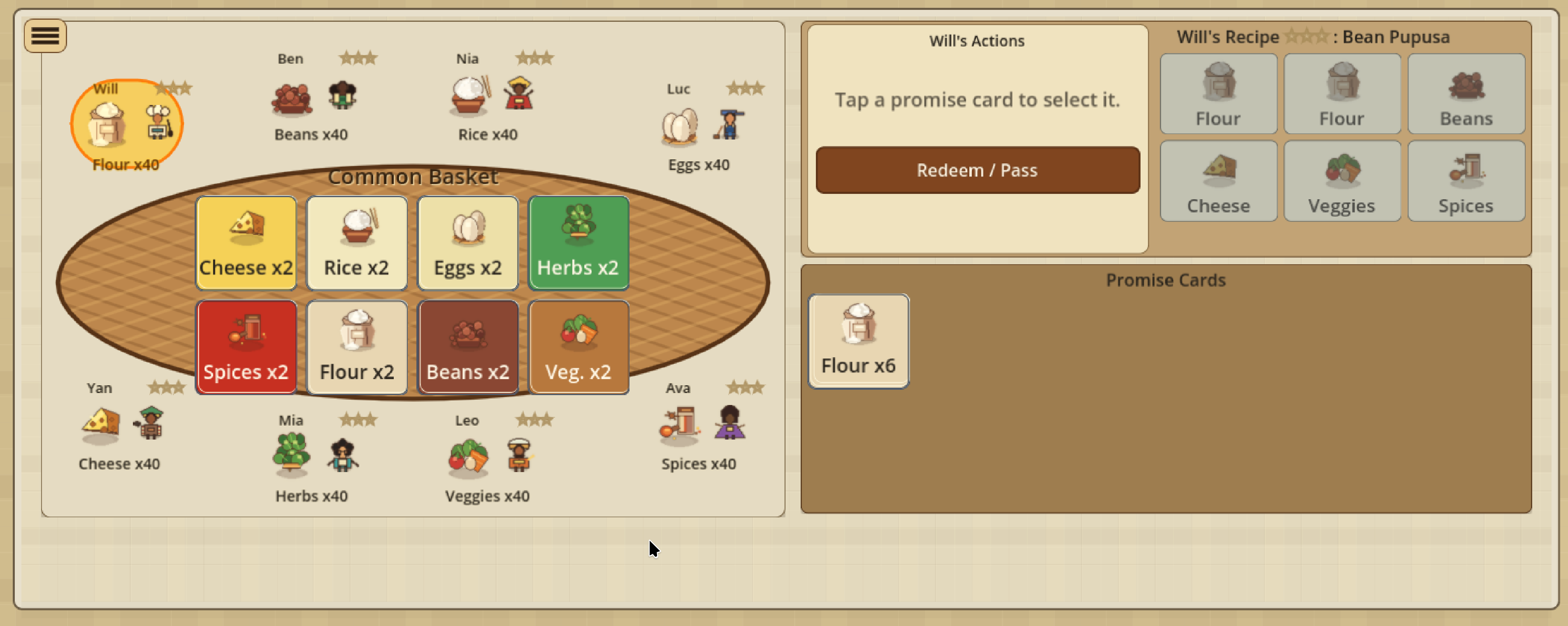
A coordination game about promises, food, settlement, and getting everyone fed.
About The Game
Recipes is an open-source coordination game about cooks, ingredient promises, recipes, food sharing, and settlement. Players move ingredient cards through a Common Basket and direct offers so everyone can complete recipes and clear remaining commitments.
What Players Learn
- How promises and ingredient claims help a group coordinate
- Why production and settlement are different parts of finishing well
- How a Common Basket can help or clutter a shared table
- How direct offers move scarce resources to useful places
- Why a fair outcome means everyone gets fed, not one player wins
Team Challenge
Play solo or gather a group for the article challenge: eight cooks, three recipes each, 24 dishes total, then settle all debts. It works for classrooms, workshops, families, and community learning sessions.
Cellular
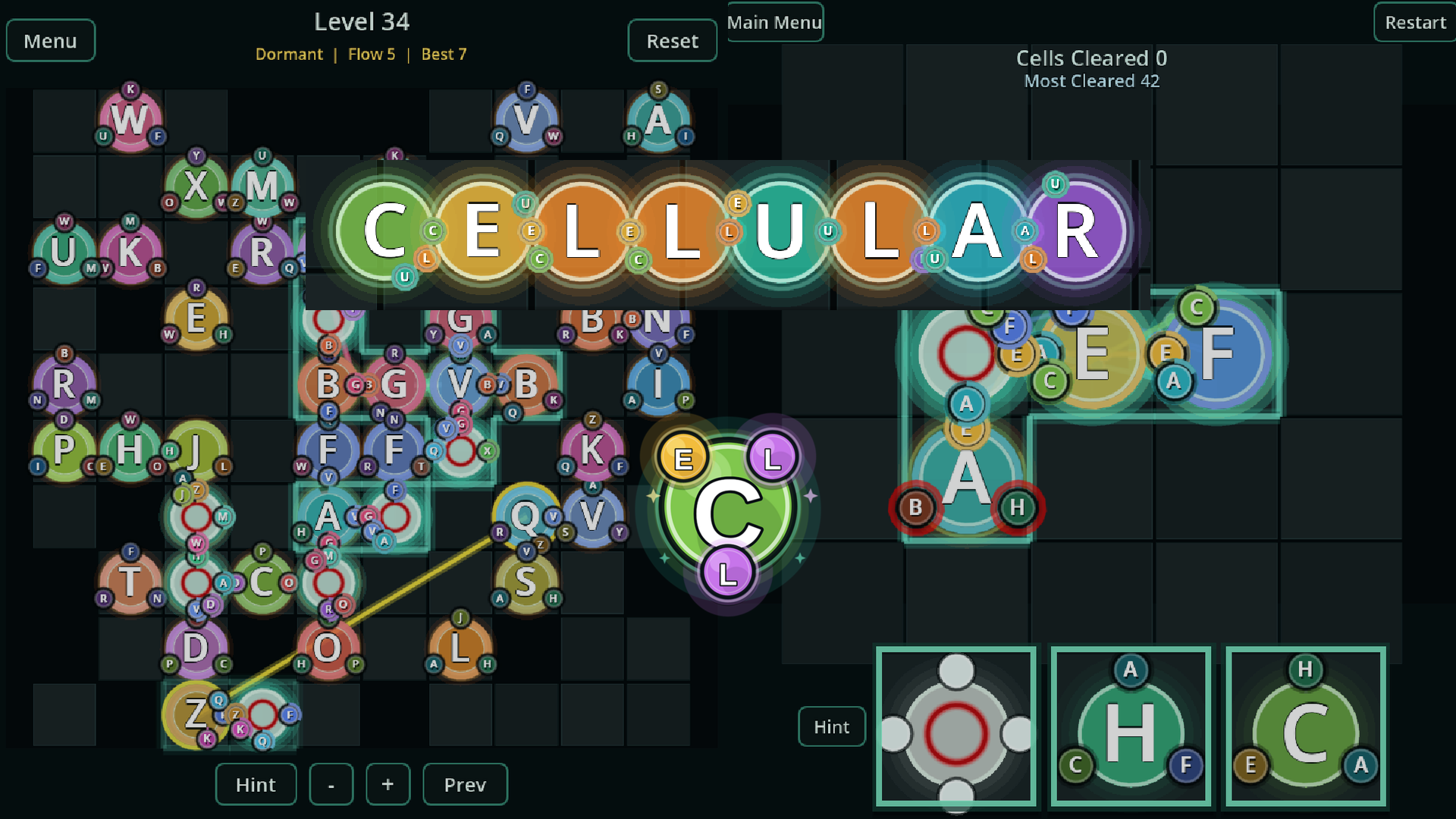
A puzzle and arcade game about building living circuits of resource flow.
About The Game
Cellular is an open-source puzzle and arcade game where each cell produces one resource and needs others. Players arrange cells near useful neighbors so resources can flow, needs are met, and healthy circuits glow and clear.
What Players Learn
- How mutual needs shape a working network
- Why healthy circulation is more than movement
- How limits, strain, and routing affect exchange
- How small changes can repair or starve a system
- How commitment pooling ideas can be explored through play
Game Modes
Puzzle mode offers handcrafted levels, while Arcade mode is more open-ended. Adaptive myco cells change based on their neighbors, giving players new ways to build and repair living circuits.
Social Soil
An educational strategy game about ecology, exchange, and community systems.
About The Game
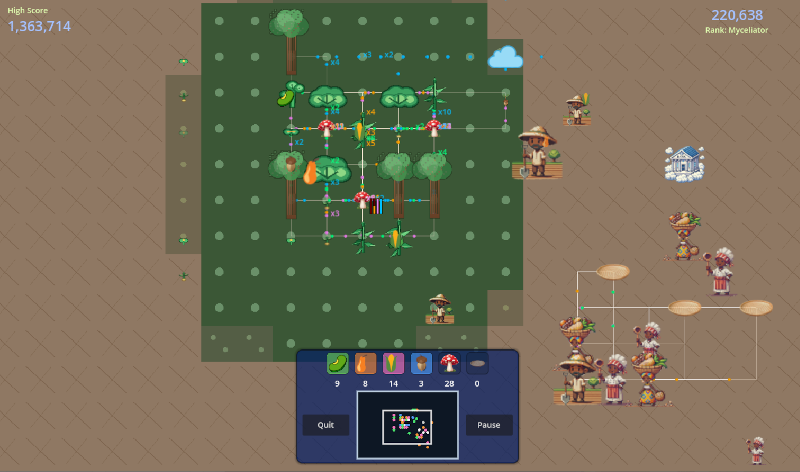
Social Soil is an educational strategy game for ages 7+. Players plant crops, grow fungal networks, harvest food, and build village exchange systems. As the garden grows, the game shows a simple but powerful idea: healthy systems are built through relationships.
Plants need nutrients. Fungi help connect the soil. People exchange what they have. Communities become stronger when value can move between neighbors.
What Players Learn
- How plants and fungi support each other underground
- Why diversity makes a system stronger
- How exchange can happen inside a community
- Why value is not only money
- How cooperation helps communities handle scarcity
For Educators
Social Soil can be used in classrooms, workshops, and youth learning spaces. It is especially suited for ages 7-14, where players are ready to think about systems, networks, and real-world community challenges.
The game works well as a starting point for conversations about ecology, food systems, local economies, community currencies, and mutual aid.
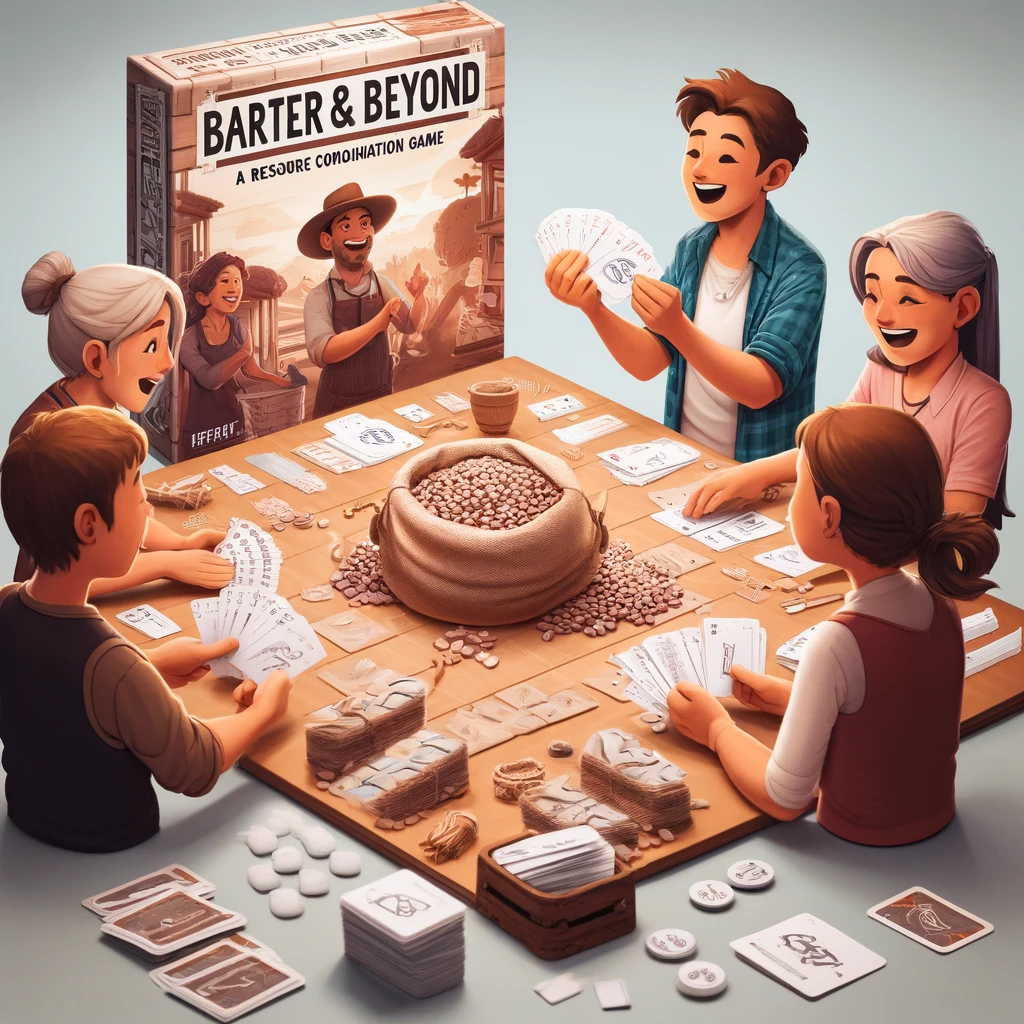
Barter & Beyond
An in-person resource coordination game for comparing barter, currency, and pooling.
About The Game
Barter & Beyond is a facilitated card game about markets and resource coordination. Players try three exchange models and compare how each one changes the speed, fairness, and ease of getting useful resources to the right people.
What Players Learn
- Why direct barter can be slow when needs do not line up
- How a medium of exchange changes trading behavior
- How shared pools can coordinate resources across a group
- Why cooperation can improve community-level outcomes
- How the game connects to Community Asset Vouchers and Commitment Pooling
For Facilitators
The game works well in workshops, classrooms, and community learning sessions. It is designed for a group debrief after each round, where players compare outcomes and discuss which coordination model helped resources move best.
Game Rounds
1. Barter Trade
Players swap cards directly with each other to make matching sets and exchange complete sets for rewards.
2. Currency
Blank paper is introduced as a simple medium of exchange so players can compare direct barter with currency-assisted trading.
3. Pooling
A shared basket represents a commons. Players exchange with the basket to explore reciprocal exchange and collaborative resource management.