
Heal Ecosystems
Regeneration Is Relationship
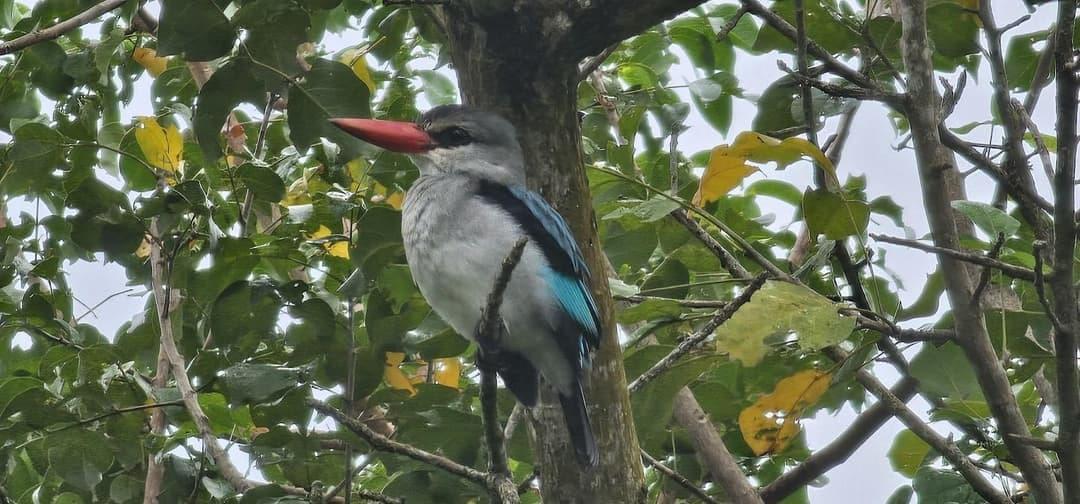
"Stewardship is a way of being in relationship. Regeneration begins with care, presence, reciprocity, and interdependence."
We approach the land not as a resource to be managed but as kin to be cared for. Drawing on ancestral knowledge held by communities in Kilifi and beyond, our restoration work weaves together ecological practice with living cultural memory — seed-saving, sacred forest protection, water rituals, and bioregional mapping.
Community labor is the engine of this work. Through Rotational Labor Associations (ROLA) — Kenya'smwethya, harambee, and related traditions — groups pledge time and skill to healing the land. These commitments are honored with community-issued vouchers, making care economically legible without reducing it to a commodity.
How We Work
Commitment Pools as Living Agreements
Communities pledge shared labor on land and water — tending ancestral spaces, maintaining catchments, planting native species. Completed work may be documented through vouchers and community records under clearly stated terms.
Digital Certificates of Care
Verifiable, community-issued acknowledgments of ecological contribution. These are not tokens for speculation — they are memory-anchors that recognize and honor the labor of stewardship, traceable on an open ledger.
Watershed & Land Restoration
Spring and catchment restoration, swale-building, erosion control, and the revival of sacred water knowledge. Teams work across the Kilifi region to reverse degradation one watershed at a time.
Cultural & Ancestral Memory
Valuing land as kin. Honoring ancestral knowledge in ritual, seed-saving, and bioregional cartography. The oldest ecological wisdom is integrated into every restoration plan.
Land & Water
Watershed & Land Restoration
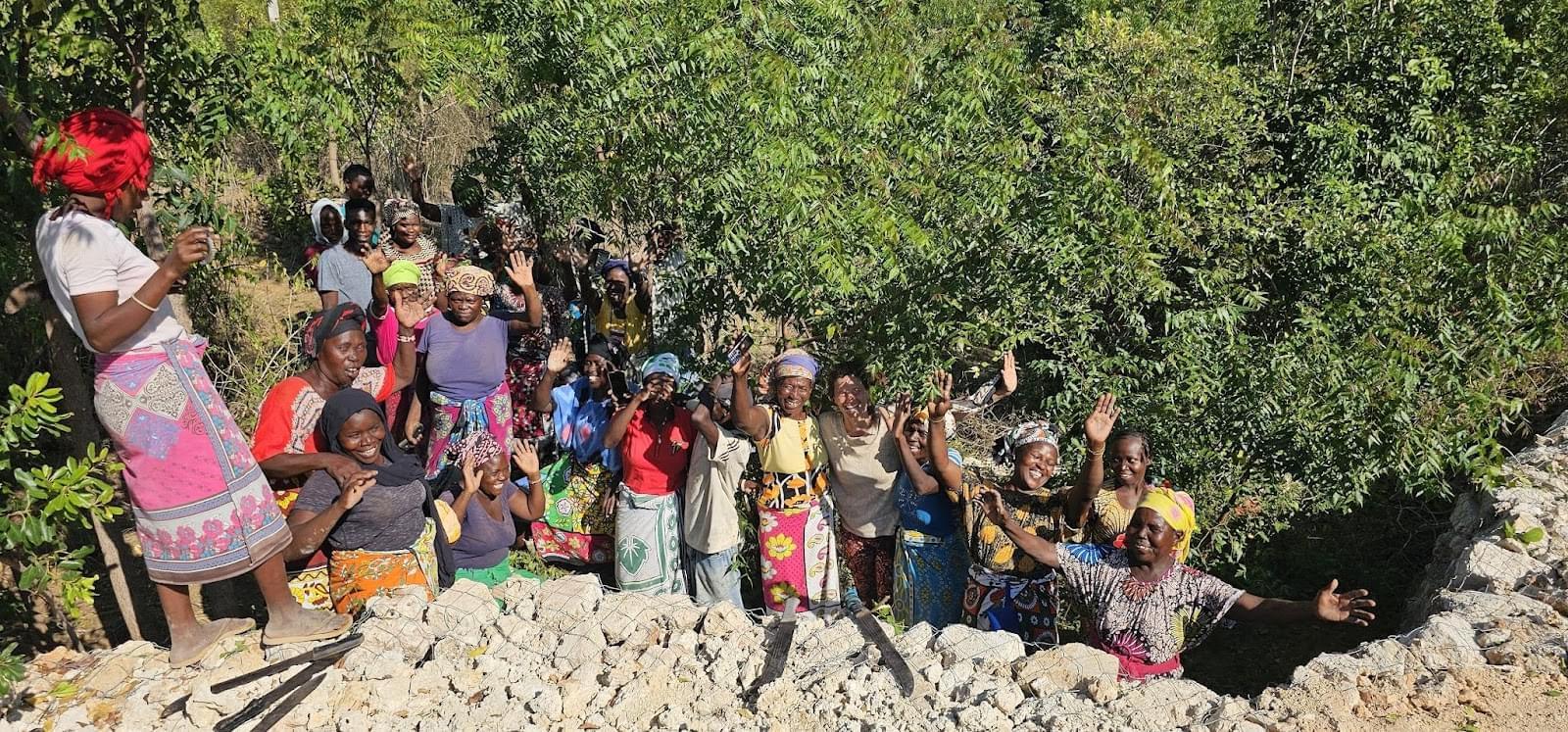
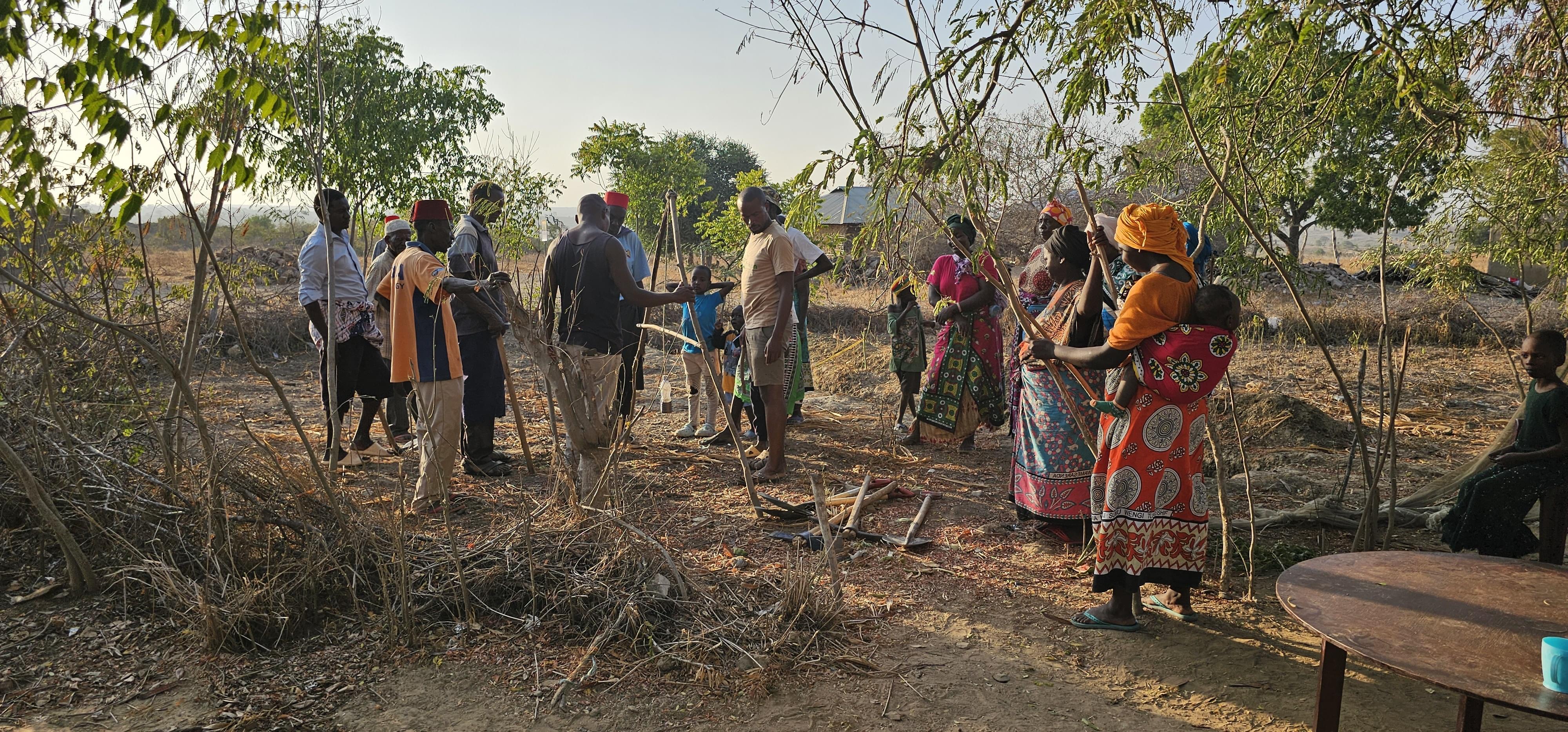
Across the Kilifi region, springs have been silenced by deforestation, overgrazing, and erosion. Community teams rebuild catchments by hand — digging swales, planting deep-rooted native species, and reinforcing stream banks with stone and brush.
Each restoration site is mapped and documented. Water sources are tested before and after. The results — measurable increases in dry-season flow, reduced erosion, richer biodiversity — become part of the community's ecological memory and the basis for certificates of care.
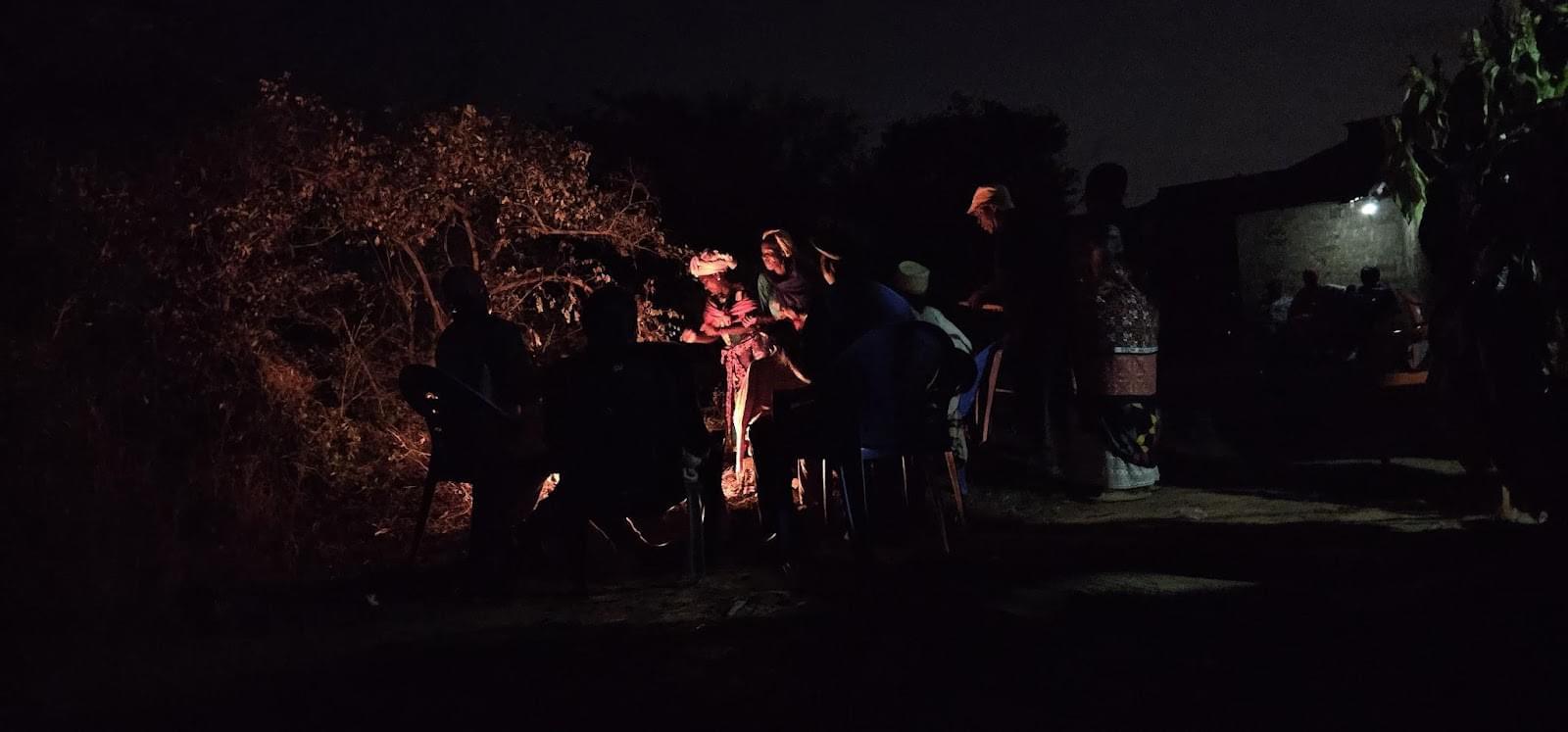
Work parties follow ancestral patterns: groups gather at dawn, share food from communal gardens, and labor together through the cool of the morning. The social fabric and the watershed heal together.
Sacred Forests
Kaya Forest Stewardship
The Kaya forests of coastal Kenya are ancestral sacred spaces — home to rare biodiversity, burial grounds, and living repositories of Mijikenda cultural knowledge. Recognized as UNESCO World Heritage Sites, they face ongoing threats from charcoal harvesting, agricultural encroachment, and neglect.
Our partnership with Kaya elder councils and community groups supports community-led protection: boundary marking, invasive species removal, replanting of indigenous trees, and the documentation of forest knowledge held by elders.
Stewardship labor can be recognized through a Commitment Pool. Any voucher's use and redemption depend on the issuer's published terms and the Pools that explicitly support it.
Economics of Care
Commitment Pools as Living Agreements
Rotational Labor Associations (ROLA) —mwethya, harambee, chama— are how East African communities have organized collective work for generations. A group pledges labor; each member takes a turn receiving the group's full effort on their land or project.
We extend this tradition into ecological work. A commitment pool forms around a shared restoration goal — a watershed, a sacred forest, a degraded hillside. Members pledge labor; fulfilled pledges become Community Asset Vouchers circulating in the local economy.
This is not a carbon market or an offset scheme. There is no external buyer. The vouchers are claims on goods and services within the community — food, craft, skilled labor — honoring the real value of ecological care among the people who depend on it.
Transparency & Trust
Digital Certificates of Care
When a community completes a restoration commitment — clearing an invasive species corridor, replanting a degraded slope, maintaining a spring catchment — that labor is recorded as a certificate of care on an open ledger.
These records are presented as acknowledgments of work, not as promises of an investment return. Their terms, visibility, and use depend on the issuer, the relevant Pool, and the deployment.
Related public records can help make ecological care visible to participants, funders, researchers, and neighboring communities, alongside local reporting and community agreements.